
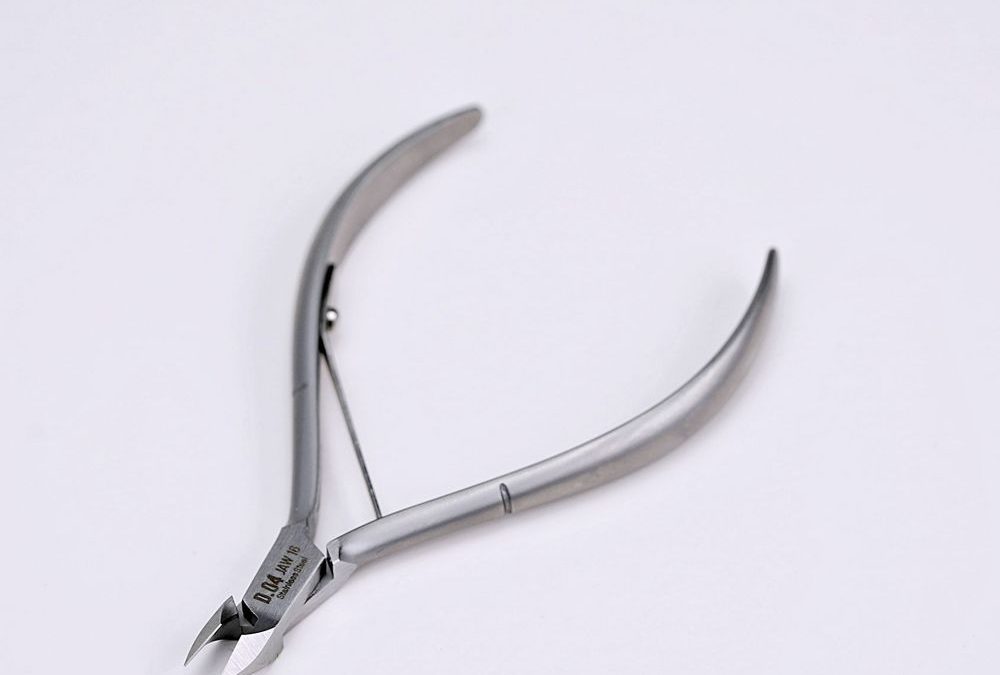
Quick answer: for a clean, rust‑free satin/chrome look and long-lasting cutting performance we recommend a short weekly maintenance ritual for the D04 – Jaw 16 Pro Cuticle Cutter that focuses on cleansing, careful drying, gentle lubrication, and protected storage so the engraved D.04 JAW 16 remains precise and presentable.
Why protect the satin/chrome-like stainless finish?
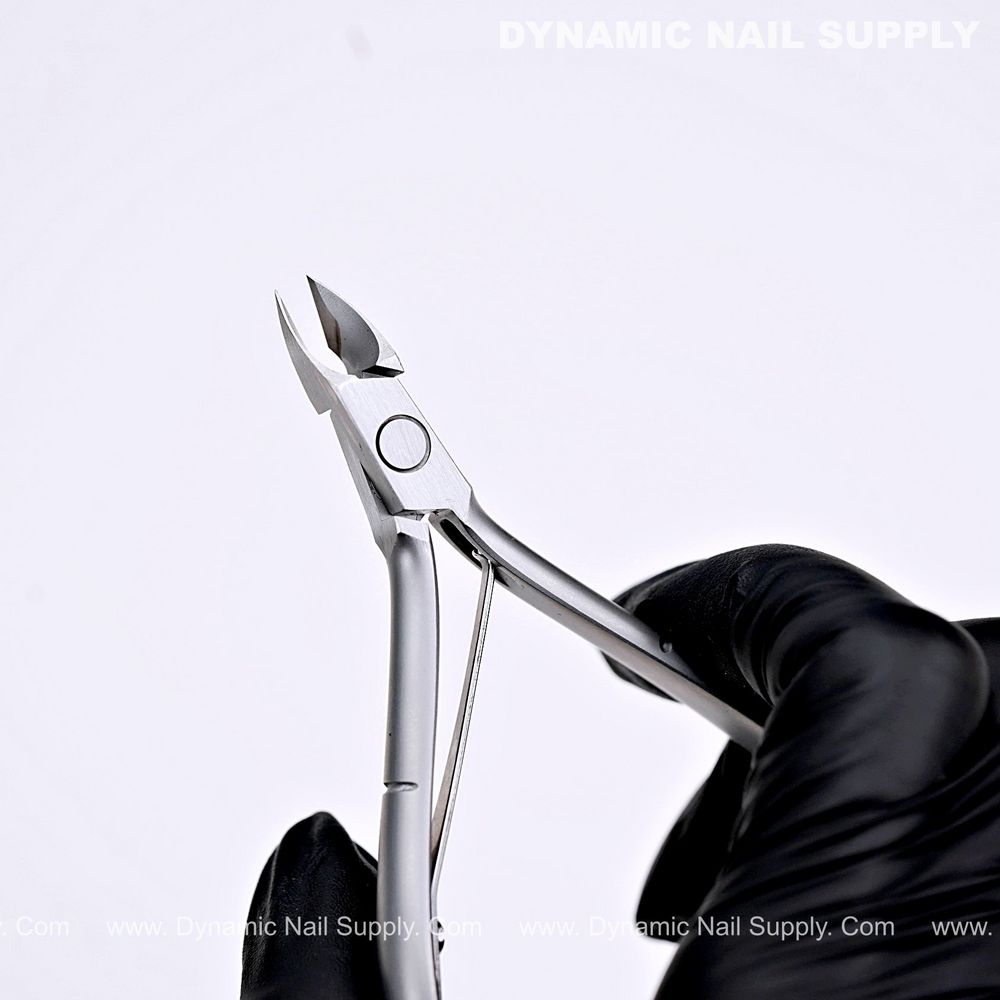
As bridal specialists working with home-based and student techs, we see how quickly a tool’s visual professionalism affects client confidence; the D04’s satin stainless surface and engraved model marking read clinical and precise, and small blemishes or rust spots on that satin/chrome-like surface will distract from a minimalist presentation. Protecting the finish preserves both the tool’s hygiene-friendly appearance and its resistance to corrosion, while the smooth joint and ergonomic curved handles keep functioning smoothly when maintained correctly.
What a weekly maintenance ritual looks like
We recommend a single short session once per week for tools in regular use, longer if you operate daily or on multiple clients. Perform the steps at your sanitized workstation with good light and a lint-free towel.
- Surface rinse and pre-clean: Immediately after service, rinse the nipper under warm running water to remove visible debris. Use a soft nylon brush to dislodge particles from the jaw and the spring area; avoid abrasive brushes that can scratch the satin finish.
- Detergent wash: Prepare a mild, pH‑neutral detergent solution and gently clean the entire tool, paying attention to the jaw tips and the engraved D.04 JAW 16 marking where residue collects. We avoid bleach and harsh acids that alter the satin tone.
- Rinse and inspect: Rinse thoroughly and check the jaw alignment and cutting edge under focused light; the curved, sharp jaw should meet cleanly with no visible nicks. This is when you confirm the tool’s performance before drying.
- Dry completely: Pat dry with a lint‑free towel and then air‑dry on a clean surface; the satin/chrome-like finish is less prone to spotting if moisture is removed promptly. Use a compressed air bulb for the joint and spring to expel trapped water.
- Protect the joint and edge: Apply a single drop of light stainless‑safe oil to the joint and work the handles to distribute it; wipe away excess. This supports the smooth spring action and helps prevent moisture accumulation inside the spring mechanism.
- Final wipe and store: Give the working surfaces one final wipe with a microfiber cloth; store the nipper in its black interior pack or a dry, padded tray away from humid areas and reactive chemicals.
When to perform deeper cleaning and sterilization
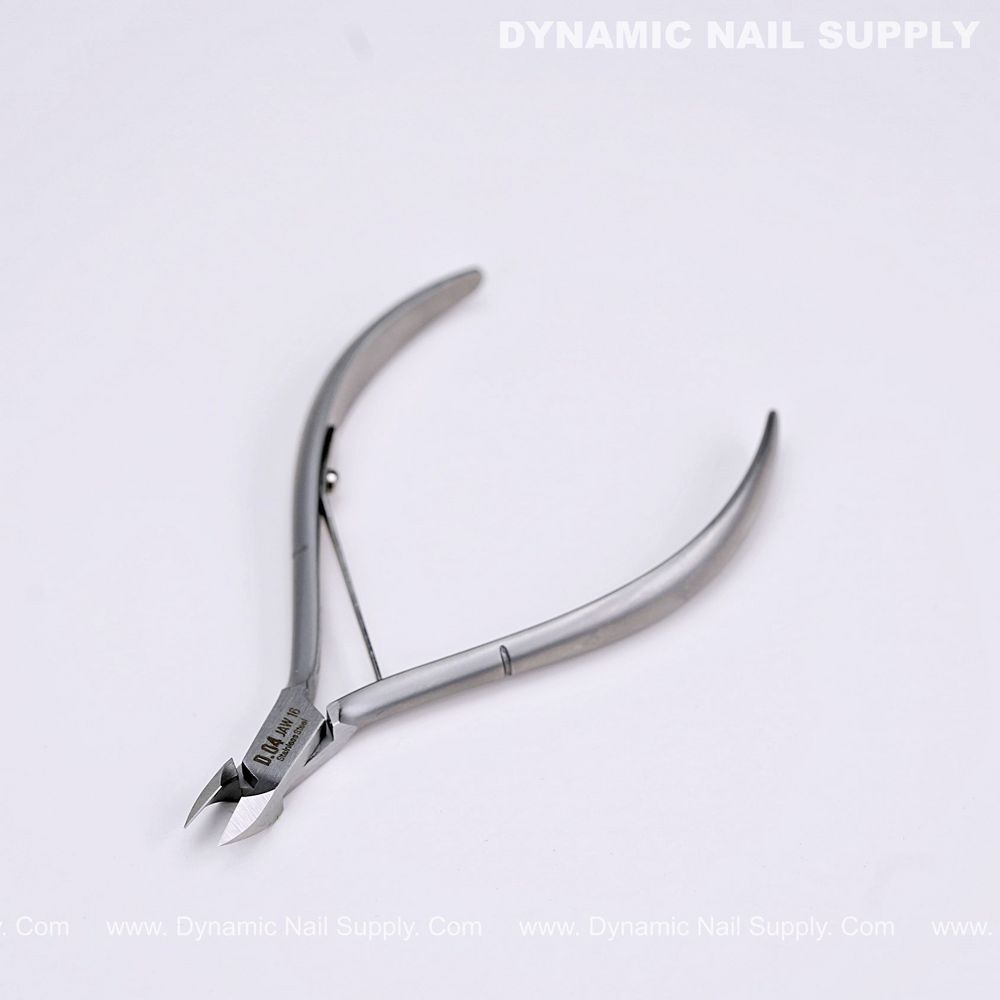
When you perform services for multiple clients per day or treat problematic cuticles, schedule a deeper procedure after the last client of the day. This includes ultrasonic cleaning and autoclaving where protocol requires sterilization; the D04 is crafted from surgical‑grade stainless steel and is compatible with sterilization processes, but we still stress full drying and light oiling after sterilization to protect the satin finish and the spring mechanism. For home-based nail businesses and students we recommend keeping a documented cycle so tools are not left damp in packs or trays.
What to avoid so the satin finish stays pristine
- Abrasive pads or steel wool — these create micro scratches that break the satin surface and trap moisture.
- Acidic cleaners or undiluted bleach — they can alter the chrome‑like appearance and accelerate discoloration.
- Leaving the tool in soapy water or wet pouches — prolonged exposure to moisture is the main risk for spotting or surface blemishes.
- Rough contact with other metal tools during storage — collisions can nick the jaw edge and mar the satin polish.
We keep a working reminder in our weekly checklist and rotate tools so a single nipper does not absorb all daily wear; for those who want to compare visually, the D04’s bright green retail packaging and matte silver tool read cleaner when the satin finish is maintained properly.
For a direct reference to the specific tool we describe here, see the product listing below
When the jaw needs attention: sharpening, tension, replacement
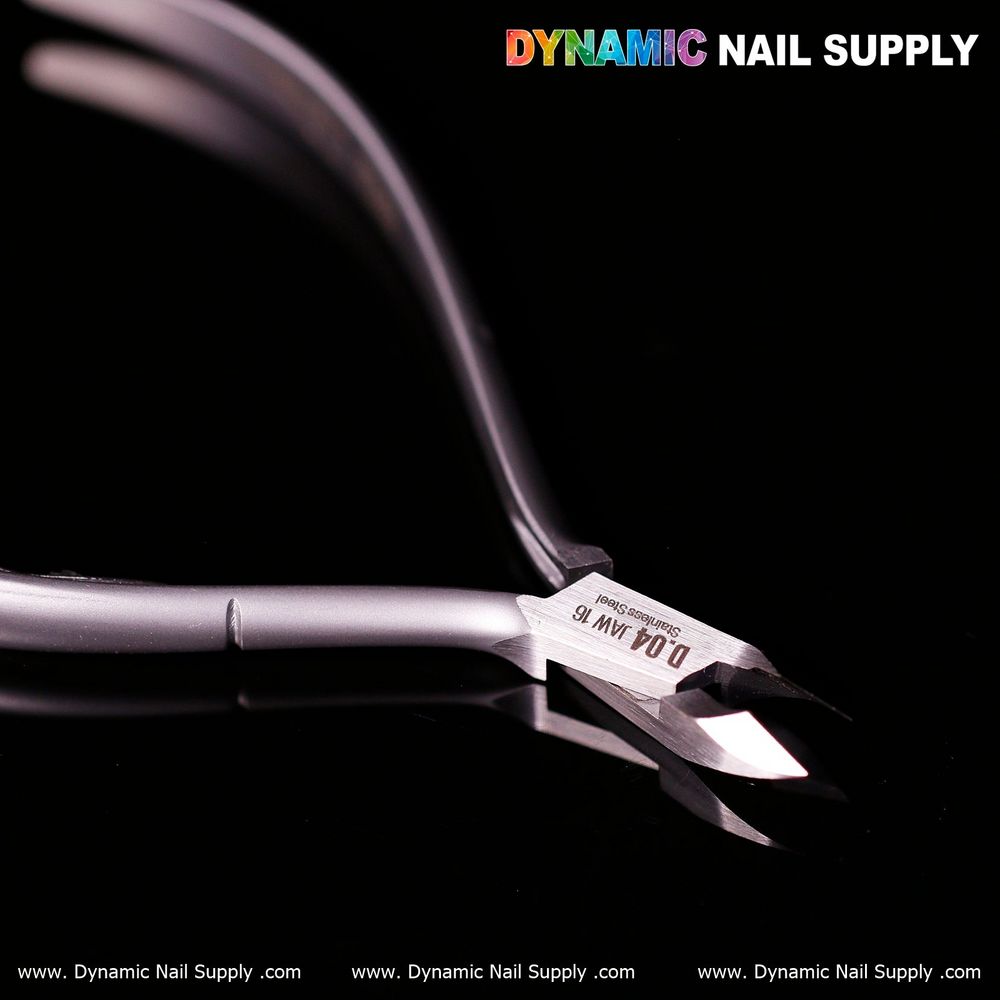
Even with flawless surface care, the jaw tips will eventually need professional sharpening or joint adjustment. We advise handling sharpening with a trained service to avoid changing the jaw geometry; improper sharpening can remove the satin surface near the edge. If you notice persistent misalignment, ragged cuts, or reduced spring tension despite routine care, retire or service the nipper—these checks keep client safety and bridal presentation consistent.
Safety and handling notes
Use the D04 only on dry, prepped cuticles to avoid slipping. Keep the ergonomic grip clean so your hand does not slip during delicate trims. Store the nipper with the jaw closed or in its protective interior pack to avoid accidental cuts and to protect the sharp jaw edge. Always follow local sanitization rules for tools that contact skin and maintain a separate set for practice if you are a student.
FAQ
How often should we oil the joint?
Light oiling once a week after drying is sufficient for most home-based schedules; increase frequency with heavier use.
Can we autoclave the D04?
Yes—the surgical‑grade stainless steel construction is compatible with sterilization; ensure complete drying and oiling afterward to preserve the satin finish.
Will cleaning change the engraved marking?
No; gentle cleaning preserves the engraved D.04 JAW 16 marking. Avoid abrasive polishing over the engraving to keep it legible.
We price the D04 Jaw 16 Pro Cuticle Cutter at $15 at the time of writing; prices may change.
Checklist Recap
- Rinse and remove debris after each use
- Wash with mild detergent and brush gently
- Rinse, inspect, and dry completely (use air bulb in joint)
- Apply light oil to joint, work handles, wipe excess
- Store in black interior pack or padded tray, away from moisture
- Schedule sharpening or service before performance drops